



Thai pear shaped covered pottery jar - Hunter Museum in Limerick
It is a ceramic artwork from Thailand. Made of earthenware material, it is currently housed in the Hunter Museum in Limerick, Ireland. Shaped like a pear, with a lid at the top. The lid design is unique, with a stepped shape and a spherical handle on top. The decoration of the jar is very exquisite, with blue lines surrounding the bottom, middle, and neck of the jar. Between these lines, the can body is decorated with curved leaf patterns, adding a natural and elegant beauty. Not only does it showcase the exquisite craftsmanship of Thai ceramic art, but it also reflects the traditional aesthetics and cultural characteristics of Thailand.

Tiger patterned Stone Wine Pot - Hunter Museum in Limerick
It is called tiger patterned stone tool due to its mottled surface. There is a circular bottom, spherical body, long neck, and single handle, without decorative accessories. It is a Laelen product from the Rhineland region of Germany, made in the 16th century. Currently housed in the Hunter Museum in Limerick. The surface is mottled, presenting a unique tiger pattern effect, which is caused by the special glaze and firing techniques used in the production of stone tools. It showcases the ceramic production techniques and artistic styles of that time, and also provides us with an understanding and research of people's daily lives and social habits during that era.

Mayolinca Potion - Hunter Museum in Limerick
It is a Majorica medicine jar from the 16th century in Italy, currently housed in the Hunter Museum in Limerick. The medicine jar is made of Majorica material, equipped with a pair of gorgeous handles shaped like seahorses and a short nozzle. The jar is decorated with the emblem of the Franciscan Order, surrounded by patterns of fruits and flowers. The back is decorated with stylized pine cones, which are in the form of Persian palm leaves. Majorica is a type of pottery that was very popular during the Italian Renaissance, known for its exquisite decoration and colors. It showcases the artistic style and aesthetic taste of that time.

15th century medieval semi glazed clay wine pot - Hunter Museum in Limerick
It is a precious ceramic artwork. It has a ribbon shaped handle, with glazed covers on the upper part, handle, and neck inside and outside. This work is currently housed in the Hunter Museum in Limerick. In the Middle Ages, it was a common daily item with a simple and practical design. The ribbon shaped handle is convenient for carrying and pouring wine, while the glazed surface on the neck may be used to protect the pottery from liquid erosion, while also increasing its aesthetic appeal. Although it has been a long time, this semi glazed wine pot is still well preserved, providing us with valuable information for studying medieval ceramic craftsmanship and daily life.

Maiolica Italian style medicine jar - Hunter Museum in Limerick
It is a type of painted pottery originating from the Italian Renaissance period, known for its bright colors and exquisite decorations. Its shape is cylindrical at the waist, which makes it easy to carry and store medication. The center front of the medicine jar is decorated with an oval shaped portrait of a man, surrounded by exquisite leaf shaped patterns and carving techniques. These decorations are mainly in blue, yellow, and white, showcasing the unique colors and artistic style of Majorica pottery. Portrait painting emphasizes the personality traits of characters, rather than traditional beauty or handsomeness, reflecting the Renaissance's emphasis on character and inner qualities.

Lekisos Ancient Greek Ceramic Bottles - Hunter Museum in Limerick
It is a container used in ancient Greece to hold oil and is often used as burial objects in tombs. It has a circular base, a high and wide body, wide shoulders and narrow bottom, a high neck, and a deep opening that extends outward. There is a high and narrow handle on the bottle that extends all the way to the shoulder. The bottle was originally painted with a pattern, but now it is severely worn and difficult to recognize. The production date is approximately the 4th century BC. The Hunter Museum currently exists in Limerick.

Popular Models
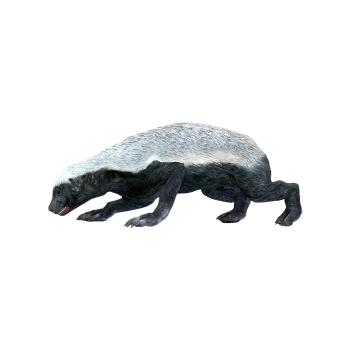
Honey Badger (3D animated model)
192 View
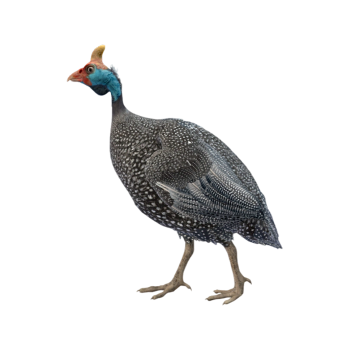
Guinea fowl (3D animated model)
163 View
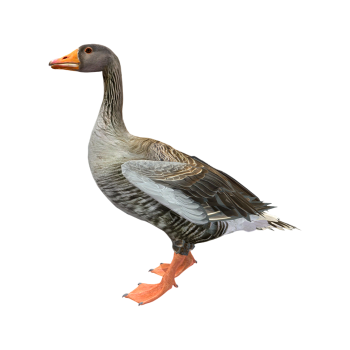
Wild Goose (3D animated model)
185 View
Red Fox (3D animated model)
153 View
Random Model

3D model of grapefruit
1282 View

Male Eriocheir sinensis
770 View

Bi Feng Butterfly
846 View


Terra Cotta Warriors
1897 View

Specimen of Pine Scarab
734 View


Medieval water kettle
1116 View
